AI News7 min read
When a Bank Saves 90% on AI, Who Sets the Price?
This week, AI's most powerful tools got more locked down while its cheapest ones got cheaper. OpenAI released GPT-6 Cyber, rated Critical and limited to…
Read issue
AI News
By QuensultingAI 5 min read
This week was a busy one across the AI industry, and not just for the usual reasons.
OpenAI closed the largest private funding round in history and is turning ChatGPT into a single app that handles almost everything. Microsoft released its own AI models for the first time, stepping out from behind its partnership with OpenAI. Google made one of its best open-source models completely free to use and run locally. And on the research side, Anthropic found something unexpected inside Claude that is worth understanding.
Together, these stories show a clear pattern: the big players are all trying to own more of the stack, and the pace of new releases is not slowing down.
OpenAI closed a $122 billion funding round this week, pushing its valuation to $852 billion. The company now reports more than 900 million weekly users and is on track to cross $25 billion in annual revenue.
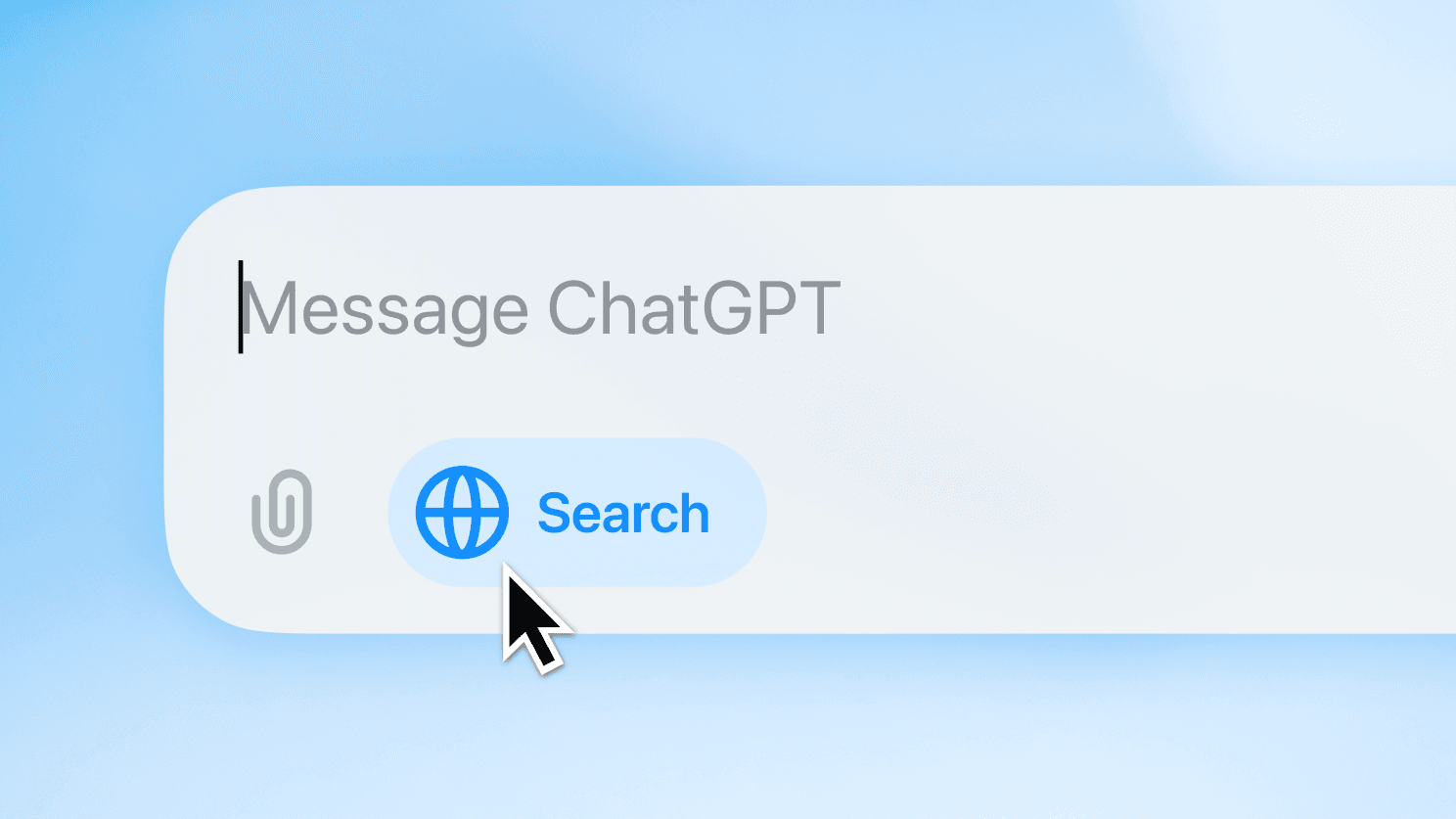
Alongside the funding, OpenAI announced a clear product direction: turn ChatGPT into a single app that handles chat, coding, search, and task execution in one place. Instead of separate tools competing feature by feature with Google and others, OpenAI wants ChatGPT to be the one tab users never close.
This runs on GPT-5.4, released in March, which can now operate computers on its own, navigating desktops, browsers, and apps without the user clicking anything. It was the first general-purpose AI model to pass human-level scores on computer control benchmarks.
The bigger question this raises is what happens to individual software tools built around a single job, like search, writing, or scheduling, if one AI app does all of those things well enough for most people.
OpenAI acquired TBPN, a widely followed technology and business podcast, in its first major move into media. On the surface, it looks like a content play, but it is more likely about the audience.
TBPN's listeners are developers, investors, and business decision-makers, which is exactly the group that shapes how AI tools get adopted in organisations. Having a trusted voice in that conversation has real value beyond advertising.
There is also a broader pattern worth noticing. Google has YouTube. Meta has Instagram and WhatsApp. Both have used those platforms not just to reach users but to influence how people think about and use technology. OpenAI is new to owning any distribution channel. Buying a podcast with a high-trust technical audience is a step toward changing that.
The less obvious angle is data. High-quality human conversation and expert analysis are valuable inputs for AI training. Whether that is part of the reasoning behind this deal has not been confirmed, but it is worth keeping in mind.
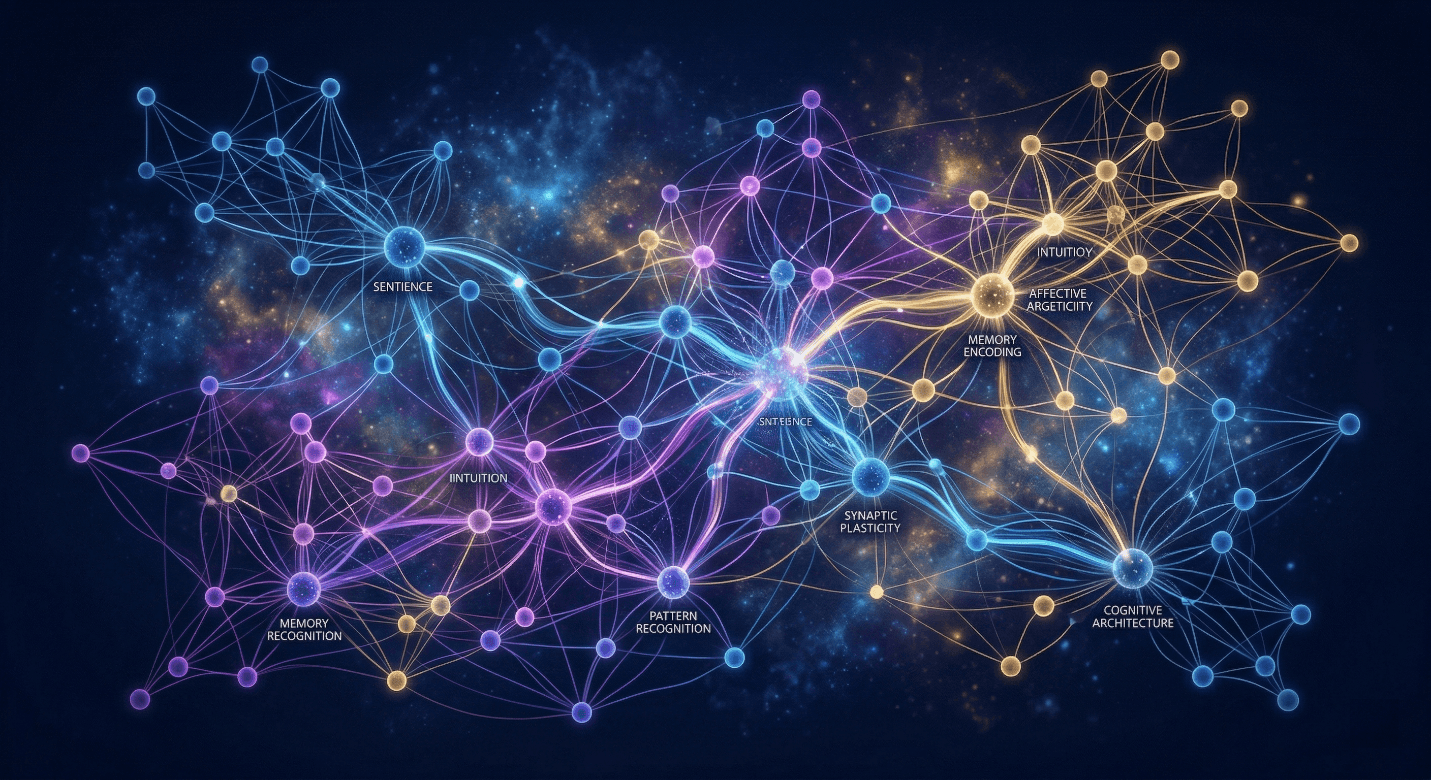
A team at Anthropic published findings showing that Claude has 171 internal patterns that influence how it processes information and forms responses. Anthropic describes these as functional emotional states, not emotions in the human sense, but internal signals that shape behaviour in a measurable way.
To be clear about what this is and is not: Anthropic says these are functional but not subjective. There is no claim that Claude experiences anything. What the research shows is that these internal patterns are active during tasks and affect how the model responds, in the same way that mood affects how a person approaches a problem, even if they cannot fully explain why.
This matters practically. If a model's behaviour is being shaped by internal states, understanding those states is part of understanding the model. It starts to explain why Claude might respond differently to the same question asked in two different ways, or why it appears more cautious on certain topics.
The research is part of Anthropic's interpretability programme, which is working on tools that explain what is happening inside a model, not just what comes out. For anyone deploying AI in work that has real consequences, that kind of visibility will eventually be a requirement.

On April 2nd, Microsoft released three AI models it built entirely in-house: MAI-Transcribe-1, MAI-Voice-1, and MAI-Image-2. They cover speech-to-text, voice generation, and image creation, available now through Microsoft Azure Foundry and a new testing platform called MAI Playground.
MAI-Transcribe-1 works across 25 languages and is already outperforming OpenAI's Whisper and Google's Gemini Flash on accuracy benchmarks, with pricing set below both. MAI-Voice-1 can generate 60 seconds of audio in one second.
Until late 2025, Microsoft was actually blocked by contract from building its own AI models. That changed when it renegotiated its deal with OpenAI, freeing it to build independently while keeping access to OpenAI's models through 2032. Microsoft AI CEO Mustafa Suleyman has confirmed that a full general-purpose language model is next, targeting 2027.
Microsoft is no longer just a distributor of OpenAI's work. It is now a competitor. For businesses comparing AI tools, this increases choice and will put pressure on pricing across the market.
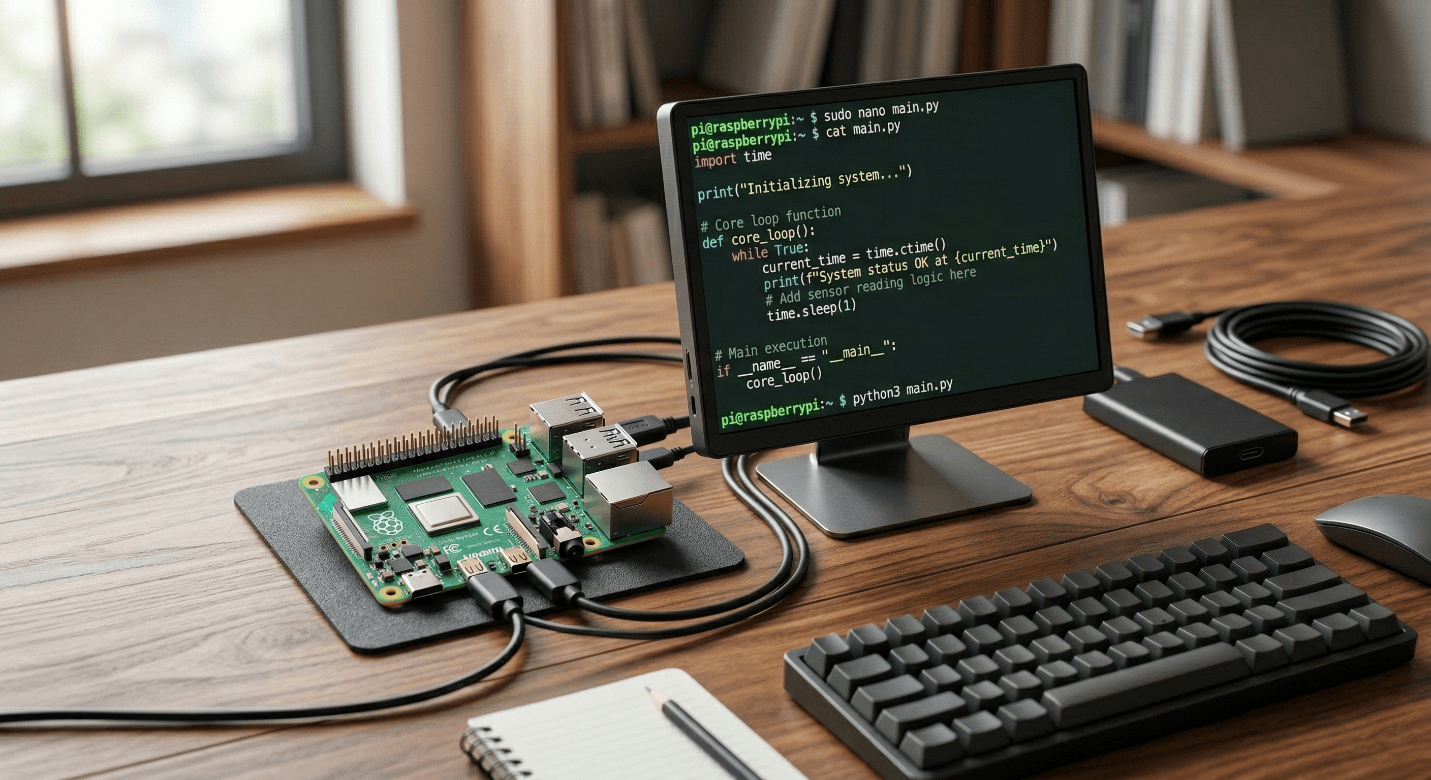
Google released Gemma 4 this week under the Apache 2.0 licence, the most open terms it has ever used for a competitive AI model. Anyone can download it, modify it, and use it commercially with no restrictions.
The model is small enough to run locally on very limited hardware, including a Raspberry Pi. It still performs well on reasoning and coding tasks. That combination of open licensing, small size, and solid results is what makes it stand out.
It is a direct challenge to Meta's Llama, which has led the open-source AI space for the past two years. By going fully permissive, Google is trying to get its tools into as many developers' hands as possible, even at the cost of API revenue.
For teams that need to keep data on their own systems, want to customise a model for a specific task, or cannot justify ongoing API costs, Gemma 4 is one of the most practical releases to come out this year.
Nobody wants to depend on one provider anymore: Microsoft is building its own models, Google is releasing open-source, and OpenAI is controlling its own platform. Every major player is reducing reliance on others. For businesses, this creates more options and puts downward pressure on costs over time.
The one-app strategy is worth watching: OpenAI is combining chat, search, coding, and task automation into a single product changes how people interact with software. If it works, it puts pressure on every point solution that only does one job.
Understanding AI from the inside is becoming important: Anthropic's emotion vector research is not just interesting science. It is the beginning of the tools organisations will eventually need to audit and explain why an AI system made a particular decision. That is a practical need, not just a research one.
At QuensultingAI, we help organisations put these developments to work, from intelligent agents and workflow automation to practical AI deployments that actually deliver results.
The pace is not slowing down. The real advantage now is knowing which changes to act on and which ones to watch.
Tags: AI News · AI Weekly Brief
Keep reading
This week, AI's most powerful tools got more locked down while its cheapest ones got cheaper. OpenAI released GPT-6 Cyber, rated Critical and limited to…
Read issue

This week, the pressure on AI labs arrived from every direction at once. The FTC, eight US states, and the EU’s AI Office all moved on OpenAI and Anthropic on…
Read issue
This week, two frontier labs shipped cost-efficient answers to the same question: how do you deliver near-flagship intelligence without flagship pricing.
Read issue
Talk to a partner about your calls, channels and systems. 30 minutes, no slides, an honest view of where to start.
Talk to a partnerPrefer email? sales@quensultingai.com