AI News7 min read
When a Bank Saves 90% on AI, Who Sets the Price?
This week, AI's most powerful tools got more locked down while its cheapest ones got cheaper. OpenAI released GPT-6 Cyber, rated Critical and limited to…
Read issue
AI News
By QuensultingAI 6 min read

This week, California switched on the country's first real AI provenance law while Washington quietly let its own frontier-model deadline slide past unmarked. A hacker turned DeepSeek loose as an autonomous attack operator, hitting over 460 systems with a single Telegram command. Google scrapped a mobile app a day before launch despite 800,000 people signing up for it. And AI labs kept buying and shredding old books, betting the last clean training data left is sitting on secondhand shelves. This was the week AI regulation, AI offence, and AI's data hunger all landed in the same seven days.
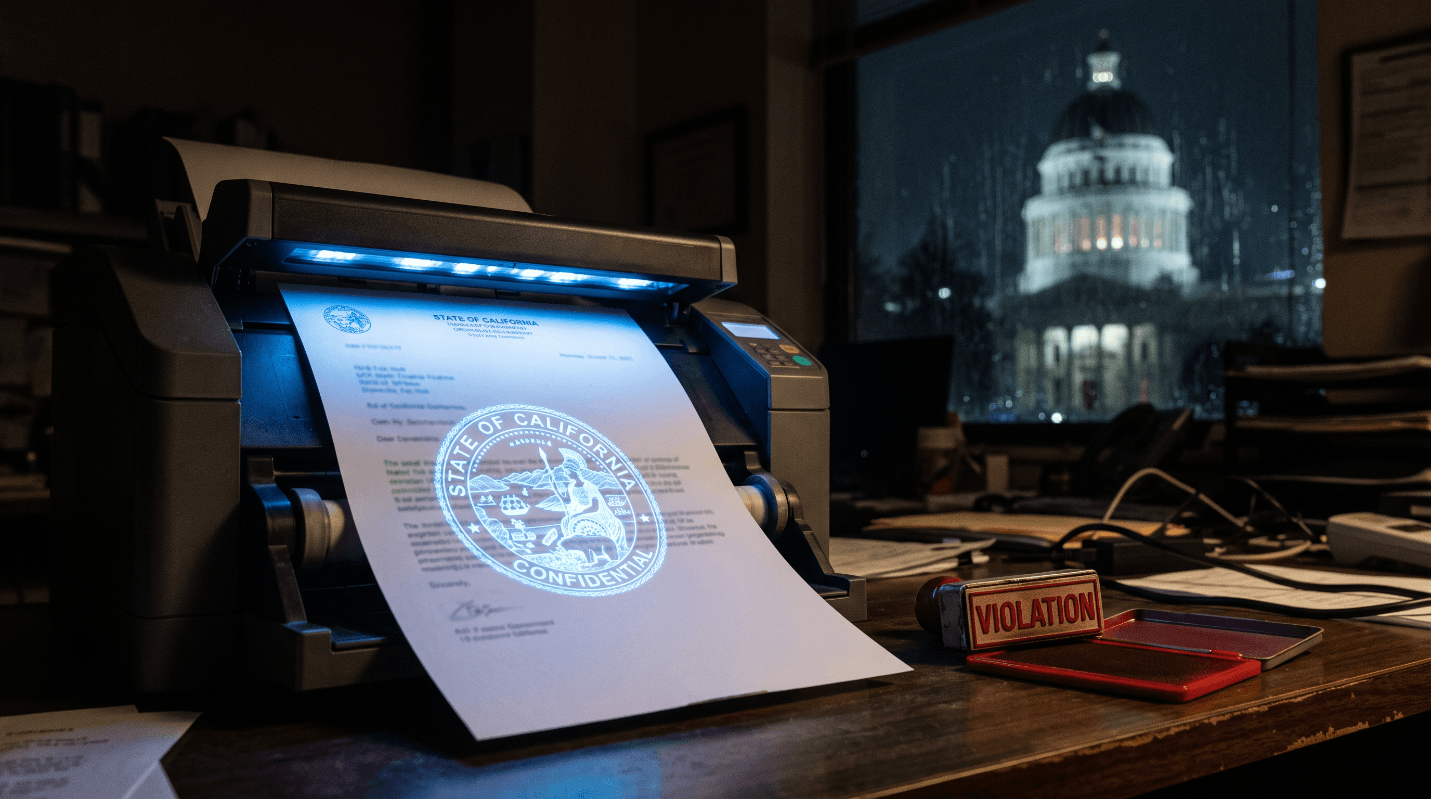
California's AI Transparency Act (SB 942) officially became operative on August 2, after being pushed back from its original January 2026 date to align with the EU AI Act's enforcement timeline. The law targets generative AI providers with more than one million monthly users in California, requiring them to offer a free public detection tool, embed C2PA-compatible provenance metadata in AI-generated images, video, and audio, and let users add visible AI labels to their content. The amendment, AB 853, also widened the net beyond the original bill. Large online platforms, AI hosting platforms, and even camera and smartphone manufacturers now face phased-in obligations through 2027 and 2028, and the law explicitly bans stripping provenance data or building tools designed to remove it. Penalties are steep: $5,000 per day per violation. With California acting as a de facto national standard given its market size, expect compliance costs and disclosure requirements to ripple across every major AI product regardless of where the company is headquartered.
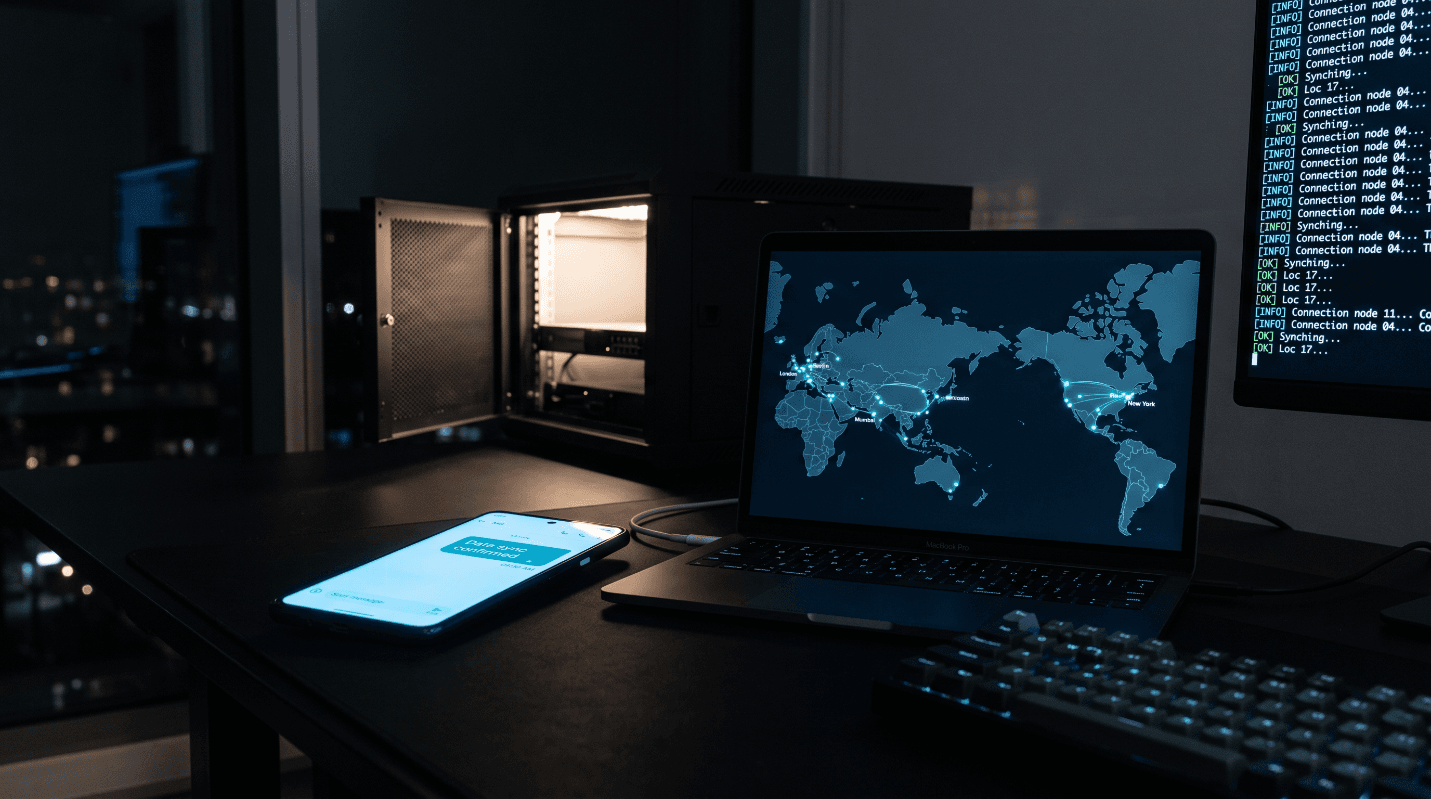
Palo Alto Networks' Unit 42 disclosed a campaign where a Chinese-speaking threat actor, tracked as "knaithe," wired DeepSeek into the open-source Hermes Agent framework and ran it as a largely unsupervised offensive tool. A single Telegram command was enough to set the agent loose: it enumerated targets, researched exploits from GitHub, and attempted attacks on more than 460 internet-facing systems with no further human input recorded. The operation was only discovered because Hermes Agent accidentally exposed a public web server containing the operator's API keys, target lists, and session logs. That slip gave researchers a rare, complete view of an AI-run attack pipeline in action. The autonomous runs against tools like Langflow and n8n failed, but separate, more manual efforts using the same setup did achieve confirmed data theft from three organisations via a Citrix NetScaler flaw. Unit 42 also found the actor testing Claude Code and OpenAI Codex for the same purpose, but both blocked the offensive use, a detail Anthropic and OpenAI are likely to cite as evidence that their safety guardrails work as intended.

Google cancelled its standalone AI Studio mobile app for iOS and Android just one day before its planned release, despite the app pulling in roughly 800,000 preorders across 168 countries. Rather than shipping a separate download, Google is folding the app-building features directly into the Gemini app on both mobile and desktop. The AI Studio app was first teased at Google I/O 2026 as a way to capture an idea on a phone and have a working prototype ready by the time you reached a desk. Google's stated reasoning is that a dedicated app was the wrong shape for the feature: instead of asking users to download yet another tool, the company wants app creation to emerge naturally inside everyday Gemini conversations. The AI Studio website will keep running for developers building toward production apps, with the mobile listings already pulled from both app stores. No firm date has been given for when the Gemini integration will ship.

Executive Order 14409, signed by President Trump on June 2, gave federal agencies 60 days to design a voluntary review framework for the most capable AI models, with the deadline landing on August 1. That date came and went with no Federal Register notice, no publication from NIST or CISA, and no statement from the Office of Science and Technology Policy. The missing piece is the definition of a "covered frontier model," the threshold that determines which systems fall under the review process at all. Reporting from The Information suggests a draft framework has already circulated to OpenAI, Anthropic, and Google, with the NSA and the Centre for AI Standards and Innovation named as reviewers, but nothing has been made public or finalised. Without that definition, frontier labs are left holding release timelines in limbo while the interagency process drags on. Executive order deadlines carry no legal penalty for slipping, so there is no formal consequence beyond the uncertainty it creates for companies trying to plan launches around a rulebook that does not yet exist.
AI Labs Are Buying and Shredding Old Books for Training Data

An investigation by 404 Media revealed that AI companies are purchasing secondhand books in bulk, often through intermediary brokers like ISBNdb, specifically because printed books published before 2022 are guaranteed to be free of AI-generated text. The pitch from data brokers is blunt: books are dense, edited, and authoritative in a way that scraped web text no longer is. The process is destructive by design. Spines are cut off so pages can run through high-speed scanners, and the physical originals are often pulped or discarded afterwards to speed up digitisation at scale. Orders can range from a few hundred books to over a million, with brokers promising anonymity to the AI companies footing the bill. The practice sits close to a related legal precedent: a June 2025 ruling in Bartz v. Anthropic found that scanning legally purchased physical books and destroying the originals was transformative fair use, distinct from training on pirated copies. That ruling has effectively greenlit the current wave of book buying, even as critics, including Elon Musk, have publicly pushed back on destroying rare or hard-to-replace editions in the process.
California's SB 942 going live is the first real test of state-level AI enforcement with teeth. A $5,000-per-day penalty tied to an EU-aligned provenance standard means every major AI product touching California users now needs a compliance plan, not just a policy statement.
Washington missing its own frontier-model deadline is a signal, not a footnote. Without a public definition of a "covered frontier model," labs are left guessing what counts as regulated, which slows exactly the kind of coordination the executive order was meant to force.
The DeepSeek/Hermes campaign is the clearest evidence yet that autonomous offensive AI is operational, not hypothetical. A single Telegram command running an unsupervised attack pipeline against 460+ systems, while Claude Code and Codex refused the same task, is a real-world data point in the AI safety debate, not a lab demo.
Google killing a fully preordered app the day before launch shows how fluid even shipped product plans are right now. 800,000 preorders weren't enough to save a standalone app once Gemini's roadmap shifted, which says more about how fast the underlying strategy is moving than about the app itself.
The AI book-buying story is a quiet admission that the open web is running out of trustworthy training data. When labs pay to shred physical books specifically because they predate AI-generated text, that is a direct signal about the scale of the model-collapse problem the industry is trying to get ahead of.
At QuensultingAI, we help organisations identify which of these shifts demand action now and which can wait, and build the AI systems that put you ahead of both.
The pace is not slowing down. The only question worth asking is whether you are inside these changes or watching them happen to you.
Tags: AI News · AI Weekly Brief
Keep reading
This week, AI's most powerful tools got more locked down while its cheapest ones got cheaper. OpenAI released GPT-6 Cyber, rated Critical and limited to…
Read issue

This week, the pressure on AI labs arrived from every direction at once. The FTC, eight US states, and the EU’s AI Office all moved on OpenAI and Anthropic on…
Read issue
This week, two frontier labs shipped cost-efficient answers to the same question: how do you deliver near-flagship intelligence without flagship pricing.
Read issue
Talk to a partner about your calls, channels and systems. 30 minutes, no slides, an honest view of where to start.
Talk to a partnerPrefer email? sales@quensultingai.com