Voice AI12 min read
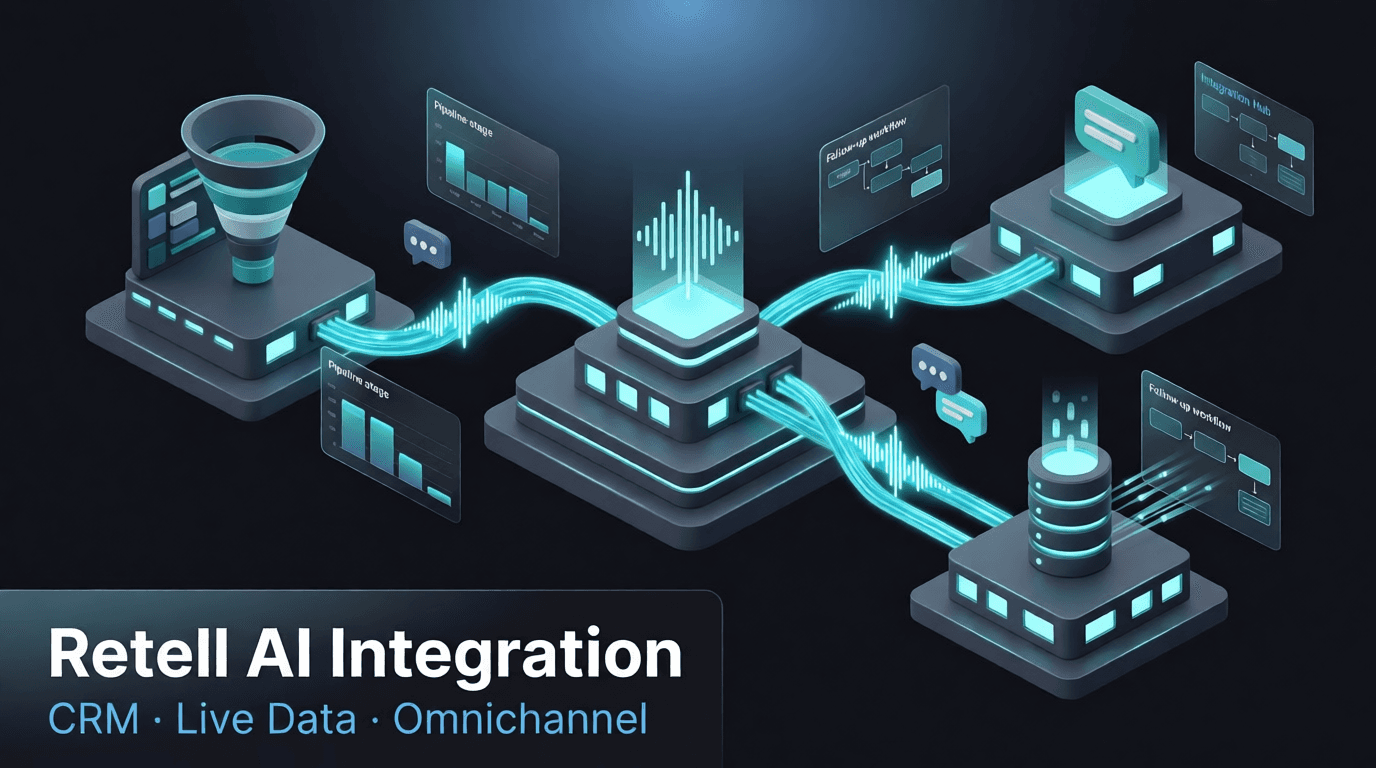
How to Connect Retell AI to Your Tech Stack for Maximum ROI
Deploying a Retell AI voice agent is a genuine competitive advantage.
Read article
Case Studies
By QuensultingAI 6 min read
Key takeaway: Most enterprise teams do not have a lead generation problem. They have a lead qualification problem. This case study shows how AI voice agents on top of an existing CRM can qualify thousands of inbound leads without creating a second system of record.
Enterprise client, name withheld under NDA.
Most companies do not have a lead generation problem. They have a lead qualification problem: too many inbound inquiries, not enough hours to call each one, and a CRM that quietly fills up with leads nobody ever followed up on.
That was the starting point for one of our enterprise clients, a sales organization fielding thousands of inbound leads with no scalable way to qualify them beyond manual calling. This is a look at what we built, how it works, and what changed operationally.
The client's sales team was drowning in volume. Thousands of inbound leads arrived every month, and qualifying each one meant a human rep placing a call, asking the same set of screening questions, and manually updating records afterward. That model does not scale.
Reps burn hours on leads that were never going to convert. High-priority leads sit in a queue behind low-priority ones. Qualification quality drifts depending on who happens to pick up the call.
Two constraints shaped the solution from day one. First, the client needed full visibility into what was happening across the campaign: call volume, outcomes, scoring, and bottlenecks in one place. Second, their CRM had to remain the single source of truth. Any automation layer had to work with the existing CRM, not replace it or create a second, competing system of record.
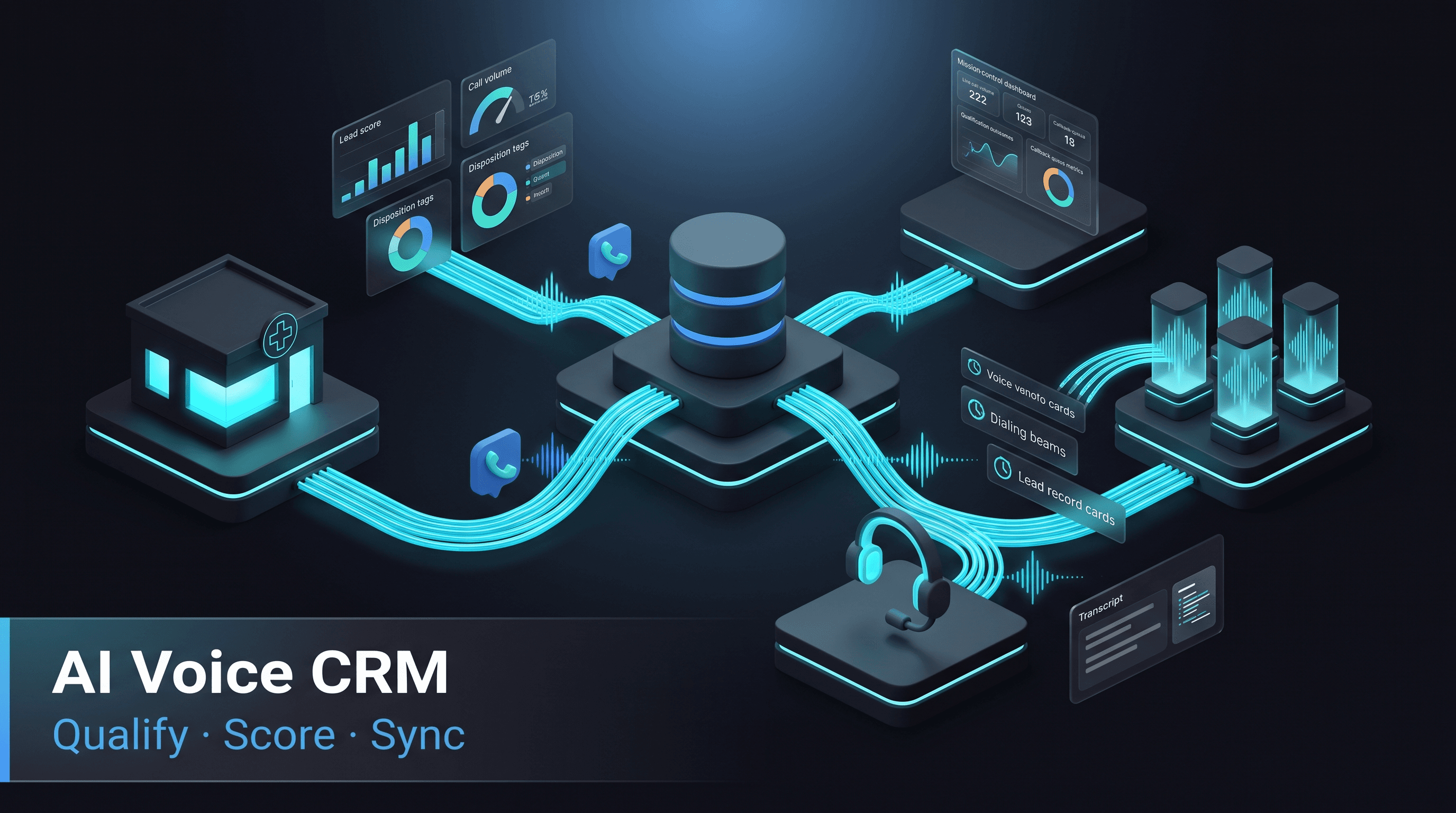
We built a custom operations dashboard that puts AI voice agents directly on top of the client's CRM. Instead of a rep manually dialing each lead, the system pulls lead data from the CRM, places outbound qualification calls automatically, and writes the results straight back: scores, dispositions, transcripts, and next steps in real time.
The dashboard became the client's mission control for the whole campaign. Call volume, qualification outcomes, callback queues, and rep handoffs are visible in one screen instead of scattered across call logs and CRM tabs.
AI-driven lead qualification. Outbound calls are powered by CRM data, so the AI voice agent is not working from a generic script. It has the lead's context going into the conversation and can hold a qualification call that sounds personalized rather than robotic.
Automatic scoring and CRM sync. Every call ends with a lead score and disposition written back to the CRM immediately. No manual data entry, no lag between a call happening and the record reflecting it.
Intelligent retry and scheduling. Not every lead picks up on the first attempt. The system applies retry logic and callback scheduling so high-priority leads do not fall through the cracks simply because of bad timing.
Live transfer to sales reps. When a lead qualifies as sales-ready, the call transfers to a live rep instantly with full call context and transcript already in hand, so the rep is not starting the conversation cold.
Human-in-the-loop by design. The sales team can intervene at any point in the workflow. This was not built to replace judgment calls, just to remove the repetitive dialing that should not require a human.
The system treats the CRM as the starting point and the ending point for every call. Nothing lives in a side database that ops has to reconcile later:

When a new lead enters the CRM, the dashboard picks it up based on priority rules and campaign settings. The AI voice agent places an outbound call using lead context from the record: name, source, product interest, and prior touchpoints.
During the call, the agent runs a structured qualification script. Answers map to a score and disposition. If the lead is sales-ready, the call transfers live to a rep with transcript attached. If not, retry logic schedules the next attempt.
Every outcome writes back to the CRM in real time. Managers see campaign volume, conversion rates, and rep handoff queues on the dashboard without exporting spreadsheets.
This is the same architecture we deploy for lead qualification and outbound campaigns when the CRM must stay authoritative.
The client's own framing of the results, without invented percentages:
This case is a useful example of a pattern we see across enterprise sales teams. The bottleneck usually is not lead volume. It is the qualification step between "inquiry received" and "sales-ready conversation."
AI voice agents fit here because phone qualification is repetitive, script-driven, and time-sensitive. That is exactly the kind of workflow that benefits from consistent, always-on execution, as long as the CRM stays authoritative and a human can step in when it matters.
If you are evaluating whether this fits your own pipeline, ask up front: where does your CRM's system-of-record status need to stay intact, what does "qualified" mean for your sales process specifically, and where do you want a human in the loop versus fully automated?
See our CRM integration and AI automation for sales in India guide for related implementation patterns.
If thousands of inbound leads are outpacing your team's ability to qualify them by phone, this is the exact problem our AI voice + CRM integration was built to solve. Get in touch for a free consultation.
More on
Tags: Voice AI · Lead Qualification · CRM Integration · Enterprise AI · Case Study · Outbound Campaigns
Keep reading
Deploying a Retell AI voice agent is a genuine competitive advantage.
Read article
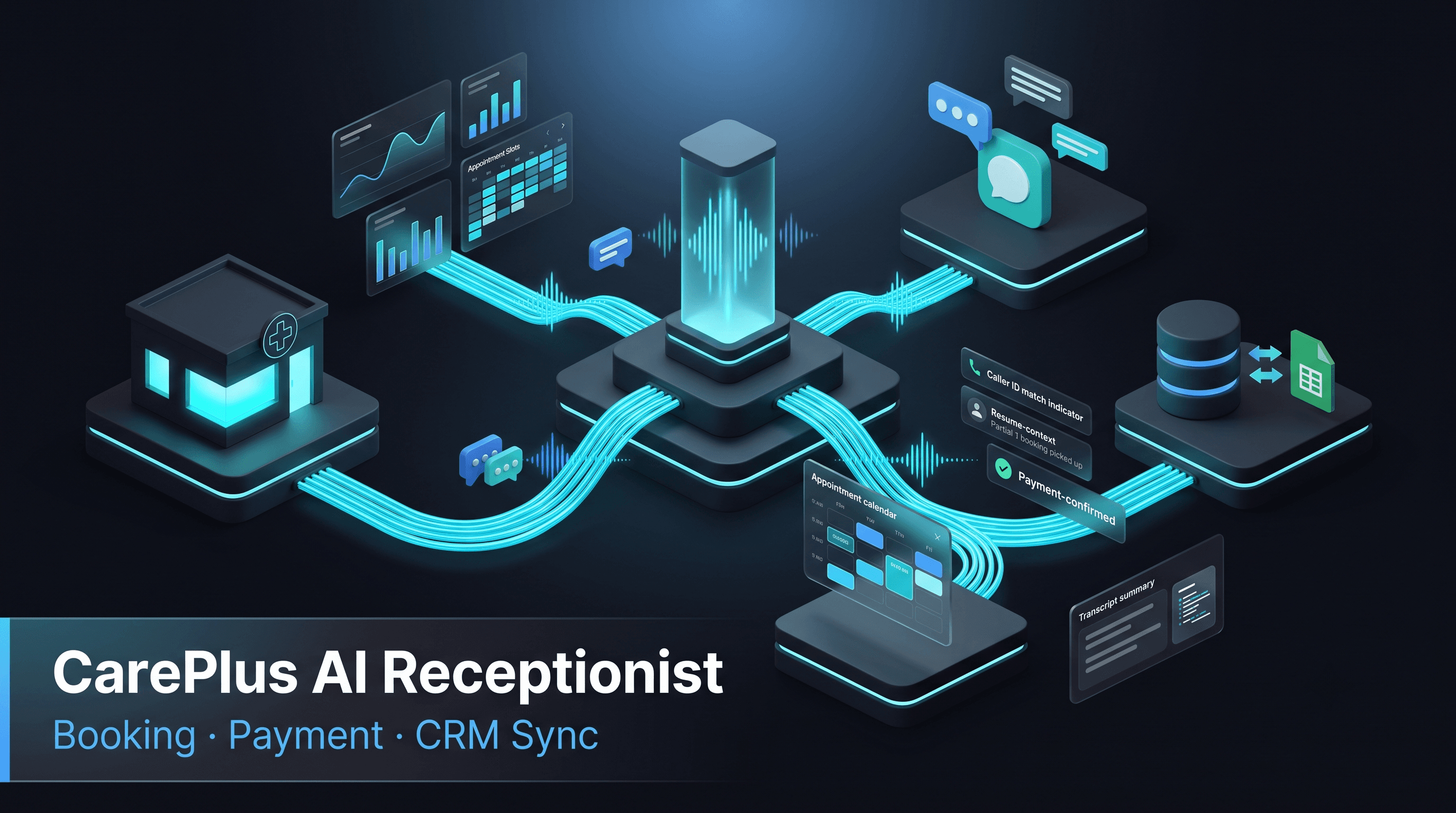
Healthcare clinic, name withheld under NDA.
Read article
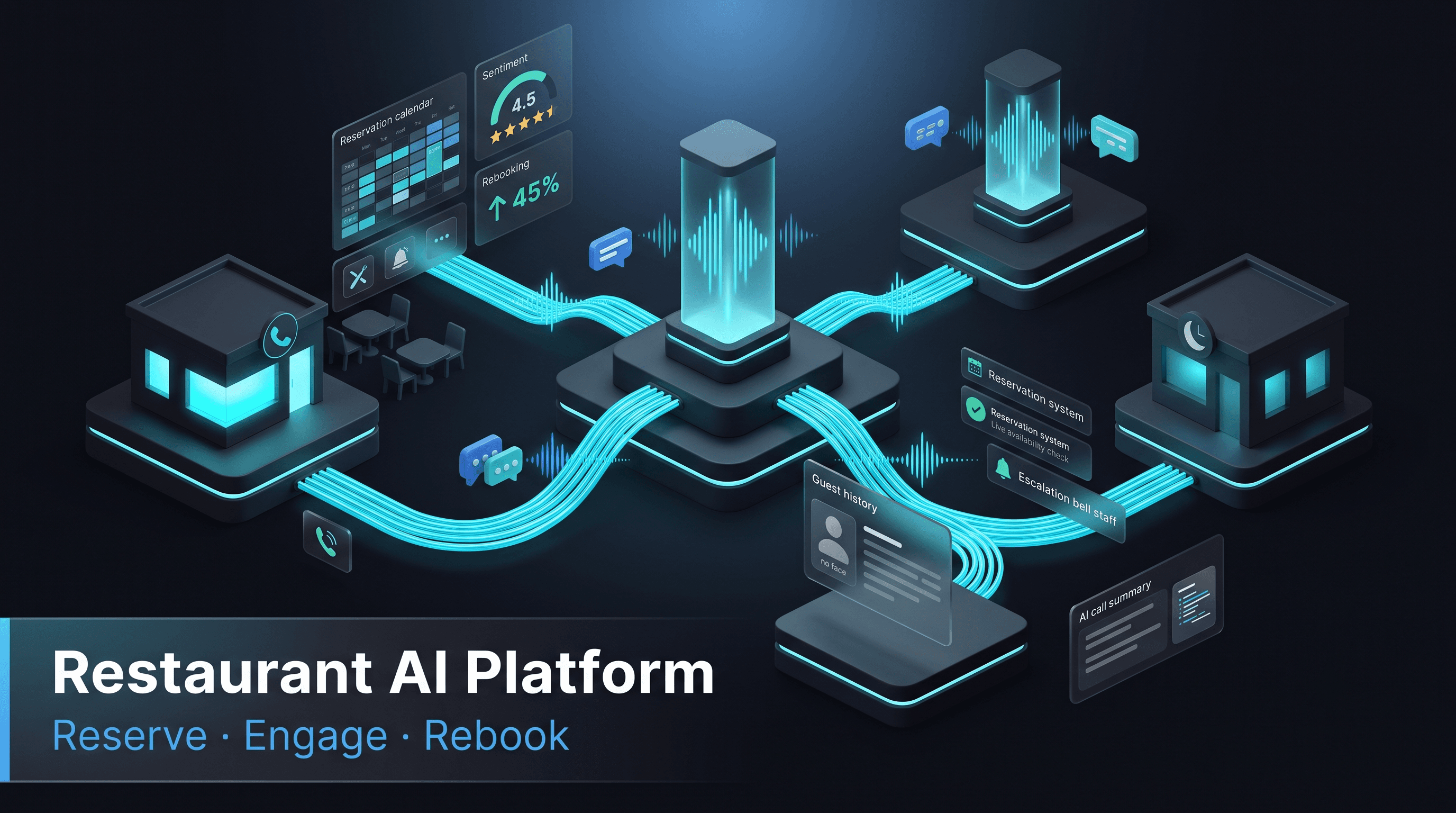
Premium hospitality client, name withheld under NDA.
Read article
Talk to a partner about your calls, channels and systems. 30 minutes, no slides, an honest view of where to start.
Talk to a partnerPrefer email? sales@quensultingai.com